Why we left WordPress behind.
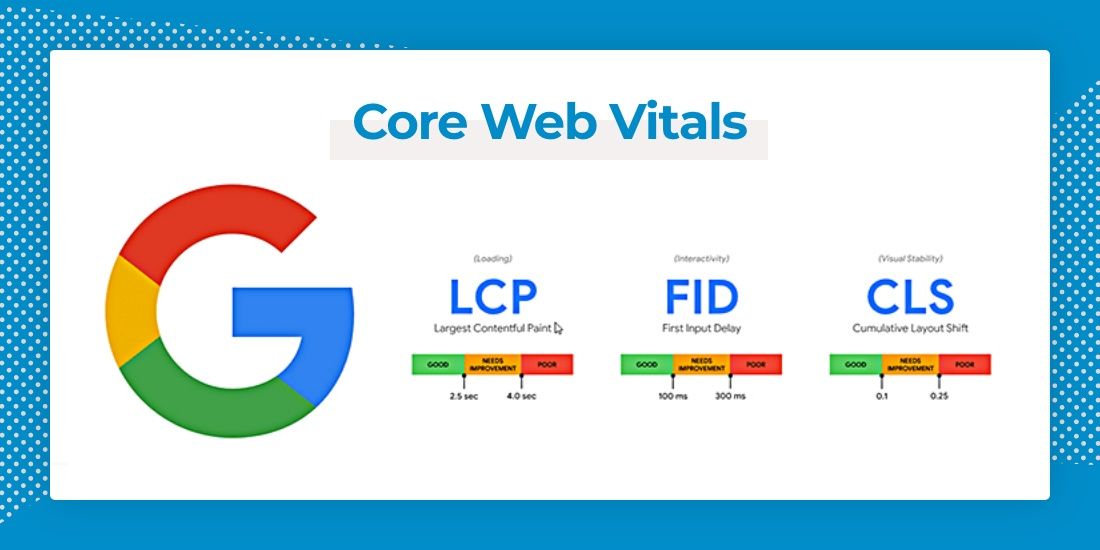
Google's Core Web Vitals weighting crossed the line from tiebreaker to primary signal. The stack you built on in 2018 cannot get you to where the ranking now starts.
There is no agency reason to use WordPress in 2026 for a new build. The technical reasons are stacked against it, the SEO reasons are stacked against it, and the maintenance reasons are stacked against it. The only reason that remains is institutional inertia: the team knows it, the freelancer knows it, the cheap dev knows it. That’s not nothing — but it’s also not a strategy.
This post is not WordPress-shaming. WordPress is a legitimate CMS for the right job. The right job stopped being “marketing site for a brand that takes its visibility seriously” around 2022. Here’s why.
The physics changed
Google’s ranking model now weights mobile speed and Core Web Vitals as a primary signal — not a tiebreaker. The change happened gradually between 2021 and 2024, then crossed an inflection point. Pages that fail Core Web Vitals get systematically demoted on mobile-first indexing, regardless of how good their content is.
A WordPress page on a typical shared host, with the typical plugin stack (Yoast, WPRocket, Elementor, Updraft, Wordfence), serves between 1.5MB and 4MB of JavaScript before it can render. The database is queried 30 to 80 times per page request. The rendered HTML is then cached, but the cache is invalidated by any plugin update.
A modern static site on Astro + Vercel serves zero JavaScript by default, fetches no database at request time, and ships pre-rendered HTML from the edge. The LCP on a 4G phone is consistently under 1 second.
The architecture is the ceiling. No amount of cache plugins lifts a WordPress site above the speed threshold that the modern algorithm now requires.
The “but we have a developer” problem
We hear this a lot: “we have someone who maintains the WordPress install, why would we rebuild?” The answer is that the maintenance work itself is the problem. Every hour spent updating plugins is an hour not spent on the work that actually moves rankings — content, technical SEO, internal linking. The maintenance is not productive work. It’s a tax for being on the wrong stack.
A static site, once built, requires no security patches. Vercel patches the edge runtime. The content is plain Markdown in a git repo. The “deploy” is a git push. There is no admin panel to keep updated, no database to back up, no SQL injection vector to monitor.
The migration is easier than you think
The objection most clients raise is “we’ll lose all our rankings.” The opposite is true. With a proper migration plan — content extracted, URLs mapped 1:1, schema preserved, 301 redirects shipped on launch day — search equity transfers within two crawl cycles. We’ve watched migrated sites gain rankings within 30 days because the speed improvement is so large that pages previously throttled by Core Web Vitals start ranking for queries they never reached before.
The migration takes three to eight weeks for a typical Mittelstand site. The new site loads in under a second. The rankings transfer. The maintenance load drops to zero. The brand keeps its content, keeps its URLs, keeps its search history.
What you give up
Honest answer: WordPress’s strongest argument is its admin UI. Editors who are used to it find Markdown alien. We solve this for clients with a thin CMS layer (Decap, Tina, or just a private GitHub web editor) so editors get a familiar interface against the static content. The build is still static.
What you don’t give up: anything that mattered. The blog still works. The lead capture still works. The newsletter integration still works. The SEO is better. The page is faster.
The only thing you give up is the monthly bill for hosting, security plugins, and the developer who keeps the lights on. That bill stops.
That is why we left WordPress behind.
That’s why SEO216 doesn’t keep patching a slow foundation — we migrate to a modern stack built for search and AI answers from the ground up. What your current stack costs you in visibility is what the free audit reveals.