Is your website open to AI — or invisible?
Buyers ask ChatGPT before they Google. Many websites lock out AI crawlers without knowing it. Our free 10-second check shows where you stand — and what the next step is.
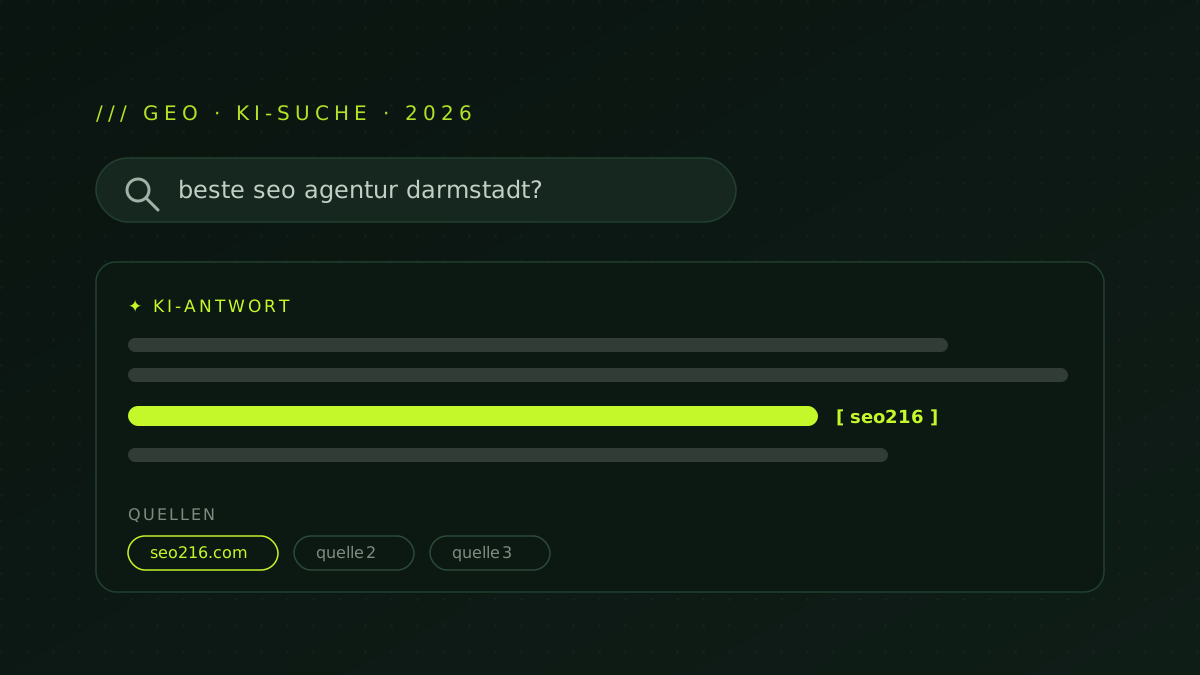
A growing share of your future customers will never see you on a search results page. They ask ChatGPT for “a reliable heating engineer in Wiesbaden”, let Perplexity recommend three law firms, or get a finished answer from Gemini before a single blue link appears. As we showed in our piece on AI Overviews: these systems don’t rank pages — they cite sources.
Which leads to the uncomfortable question almost nobody asks: can AI even read your website?
The door most owners don’t know exists
Every website has a small, public file called robots.txt — a kind of doorman. It tells automated visitors who may come in and who may not. For decades that only concerned search engines. But since ChatGPT, Claude and Perplexity started reading the web, it now also decides: may OpenAI’s crawler enter? Anthropic’s? Google’s?
If the answer is “no”, something very quiet and very expensive happens: the AI cannot ingest your content. It cannot recommend you. It cannot even mention you. Buyers who ask a large language model the question your business answers still get a reply — just one in which only your competitors appear.
In the AI era, a closed door is not a security measure. It’s a recommendation ban you issue against yourself.
Why websites lock out AI without knowing it
It’s almost never a deliberate decision. The usual paths into invisibility:
- The blanket block of 2023. When AI crawlers were new, many plugins, hosts and agencies locked them all out as a precaution — and never revisited it.
- CDN and security defaults that reject “bots” wholesale, without distinguishing spam from ChatGPT.
- Copy-pasted robots.txt templates nobody on the team has ever actually read.
The result: companies invest in SEO, in content, in their brand — while keeping shut the very channel where a growing share of buying decisions now happens.
The 10-second check: where do you stand?
That’s exactly why we built the AI Access Check — free, no signup, real live data instead of estimates. You enter your address, we read your public doorman file and your AI table of contents, and you instantly see:
- Which AI systems may read your website — ChatGPT, Claude, Perplexity, Gemini, Copilot, Apple Intelligence and more, broken down one by one: allowed, blocked, restricted, or simply unaddressed.
- Whether you have an llms.txt — the curated table of contents (an open standard) that lets AI systems find your key content directly and represent it correctly, instead of guessing their way through menus and pop-ups.
No technical knowledge required, no catch. In ten seconds you know whether your door is open, ajar or bolted shut — and that is the starting point of any honest AI strategy.
→ Check now, free: is your website open to AI?
Being open is step 1. Being cited is step 2.
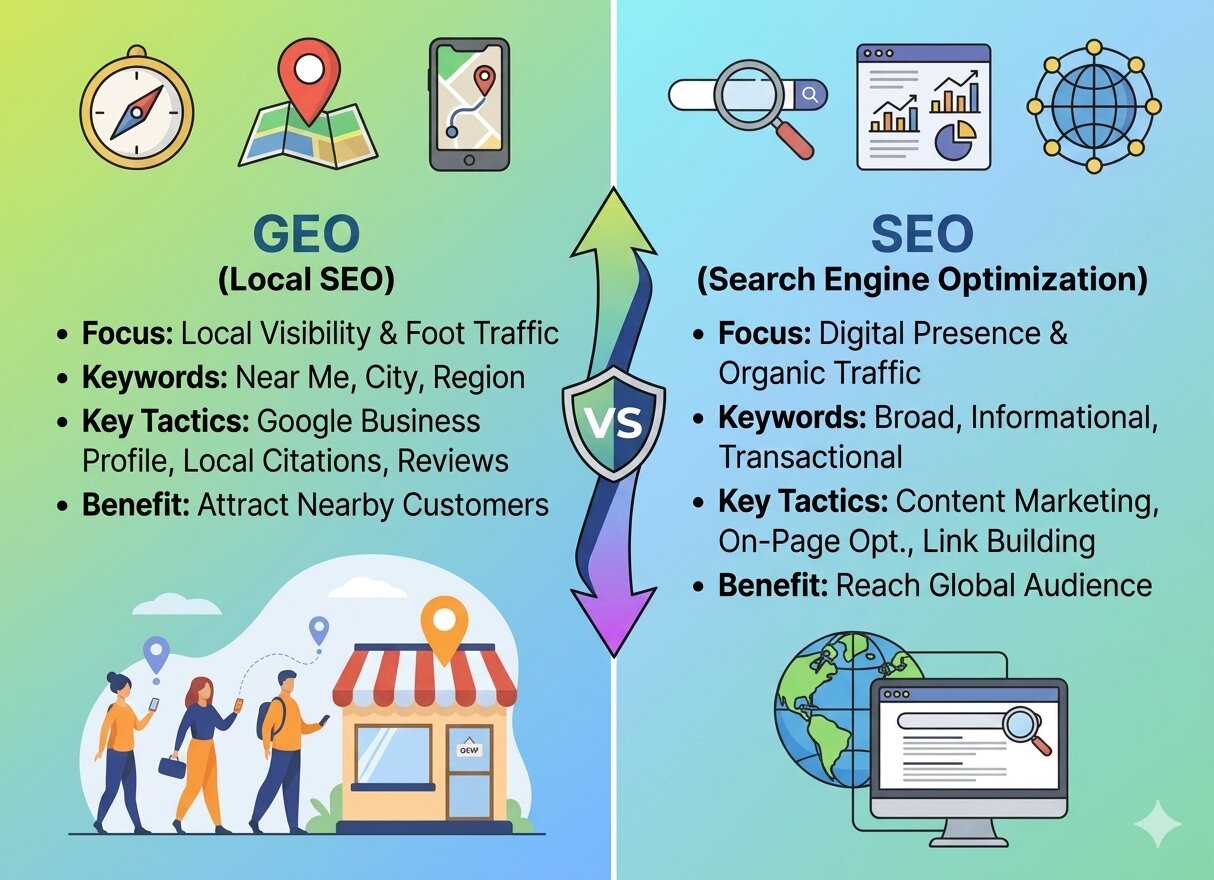
An open door doesn’t guarantee a guest. Whether ChatGPT actually recommends you is decided by the structure of your content: clear answers in the right place, named entities, clean schema markup, citable claims. That discipline is what we call GEO — Generative Engine Optimization — and its counterpart SXO makes sure the visibility you earn turns into inquiries.
Together they form our “GEO & SXO” pillar: we structure websites so AI answer engines cite them, and we measure every month whether they do. The content behind it is produced systematically — curated and scaled by Spindle, our AI content engine, reviewed by senior editors before anything ships.
What the check can’t show you — and who can
The free check answers the question “is my door open?”. Three questions remain after it, and they’re the ones that matter commercially:
- Are you being cited today — with which content, in which AI?
- Who is being cited instead — and why those competitors in particular?
- What’s the shortest path to change that — prioritised by effort and impact?
That is what our full audit delivers: a competitor comparison across classic search and AI answers, a per-engine citation analysis and a prioritised action plan — requested free, delivered within 24 hours. If you’d rather see the engineering first, the Performance-Audit measures your load times live, and our process shows step by step what happens after. And you track every bit of progress not in a monthly PDF but in a live dashboard, 24/7.
The shift to AI-driven search isn’t a trend you can wait out — it’s the new switchboard between you and your competitors. The first step costs nothing and takes ten seconds: check whether your website is open to AI. Everything after that — from the full overview of what we do to a conversation with us — moves at your pace.