AI Overviews changed what content has to look like.
Google's AI Overviews don't link to the best page. They cite the cleanest one. Here's what that means for how a 2026 blog post needs to be structured.
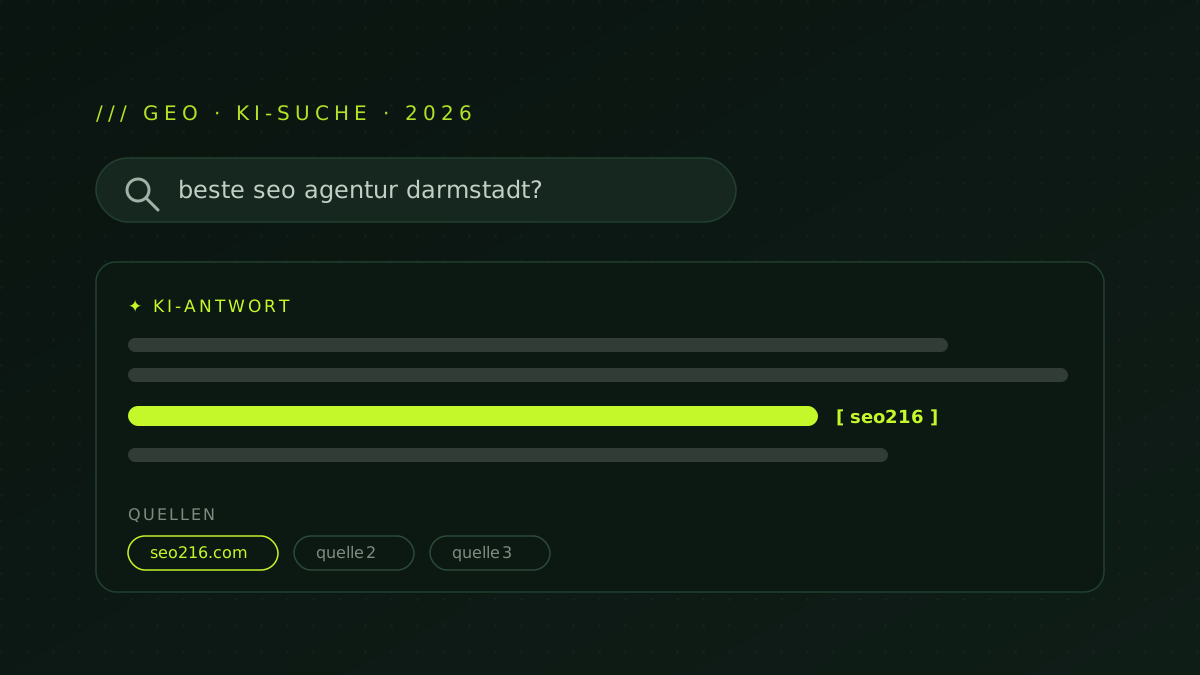
The blue link is no longer the only destination. Depending on the analysis, AI Overviews now appear on roughly 40–45% of Google searches, and a growing share of buying research resolves there, in ChatGPT’s web search, or in Perplexity before the user ever sees a results page. Those systems don’t rank pages. They cite sources. Being one of the cited sources is the new front page.
This shift broke an entire generation of content advice. “Write longer, more comprehensive content” worked when humans decided which result to click. It doesn’t work when a language model decides which sentence to extract.
What AI engines actually do
When a user asks ChatGPT or Perplexity “what’s the best SEO agency in Düsseldorf?”, the system doesn’t open ten browser tabs and read each one. It fetches a small number of pages, extracts what it considers the answer, and cites the source the answer came from.
The extraction is mechanical. It looks for a clear answer to the asked question, in the smallest possible block of text, near named entities and citable data points. A 4,000-word essay buries the answer. A clean two-sentence answer near the top, with the source named, gets cited.
The page that ranks #1 in Google may not be cited in the AI answer. The page that’s structured for citation is.
What this changes about content structure
Three concrete things change.
1. Answer-first paragraphs. Every section now opens with the direct answer to the question the section asks. The “context, then answer” pattern reads like academic prose but loses every AI ranking. Lead with the conclusion.
2. Named entities in the lead. AI systems weight named entities heavily — companies, people, cities, products. A paragraph that says “we work with mid-sized firms in central Germany” gets less citation weight than “we work with Mittelstand firms across Frankfurt, Munich, Berlin, and Hamburg.”
3. Citable data, not adjectives. “Significant improvement” doesn’t get extracted. “184% organic traffic growth in six months” does. The same is true of named clients, named publications, named tools, named time windows.
What this changes about format
Three format moves matter:
FAQ schema on every long page. AI systems specifically look for FAQ-formatted blocks because the question-answer pair is pre-extracted for them — the same content with FAQ markup gets picked up considerably more often than without. The most robust numbers come from the Princeton GEO study (KDD 2024): citing sources +40% AI visibility, statistics +37%, quotations +30% — and keyword stuffing −10%.
A <summary> paragraph after the H1. Think of it as the lead paragraph of a newspaper article: 60 words, every important entity named, the answer to the page’s implicit question stated directly. This is what gets cited.
Pull quotes and call-outs. AI systems cite pull quotes nearly as often as paragraphs because they read as “the author’s marked-up key point.” A page with three pull quotes has three extra extraction targets.
What this doesn’t change
Quality of thinking. AI engines reward citable structure, but they reject content that’s clearly templated, repetitive, or thin. A well-structured page with empty content gets cited briefly, then dropped from the corpus as the engine learns it produces low-utility extractions.
The combination that wins: senior editorial judgment about what to say, plus citation-friendly structure for how to present it. Spindle handles the second half at scale. The first half is still a human decision.
That is the model we built. The structure of this post is itself an example.
June 2026 update: query fan-out — and Google’s own position
Two things have become clearer since this post was first published.
First: Google’s AI search fans queries out. One user question triggers several related sub-queries in the background (query fan-out), whose results get synthesised into the answer. The consequence for content planning: one page per individual keyword falls short — the winner is whoever covers the topic cluster completely, so they’re retrievable for the sub-queries too. That is exactly why we build content as clusters with hubs and spokes, from the glossary to the service pillars.
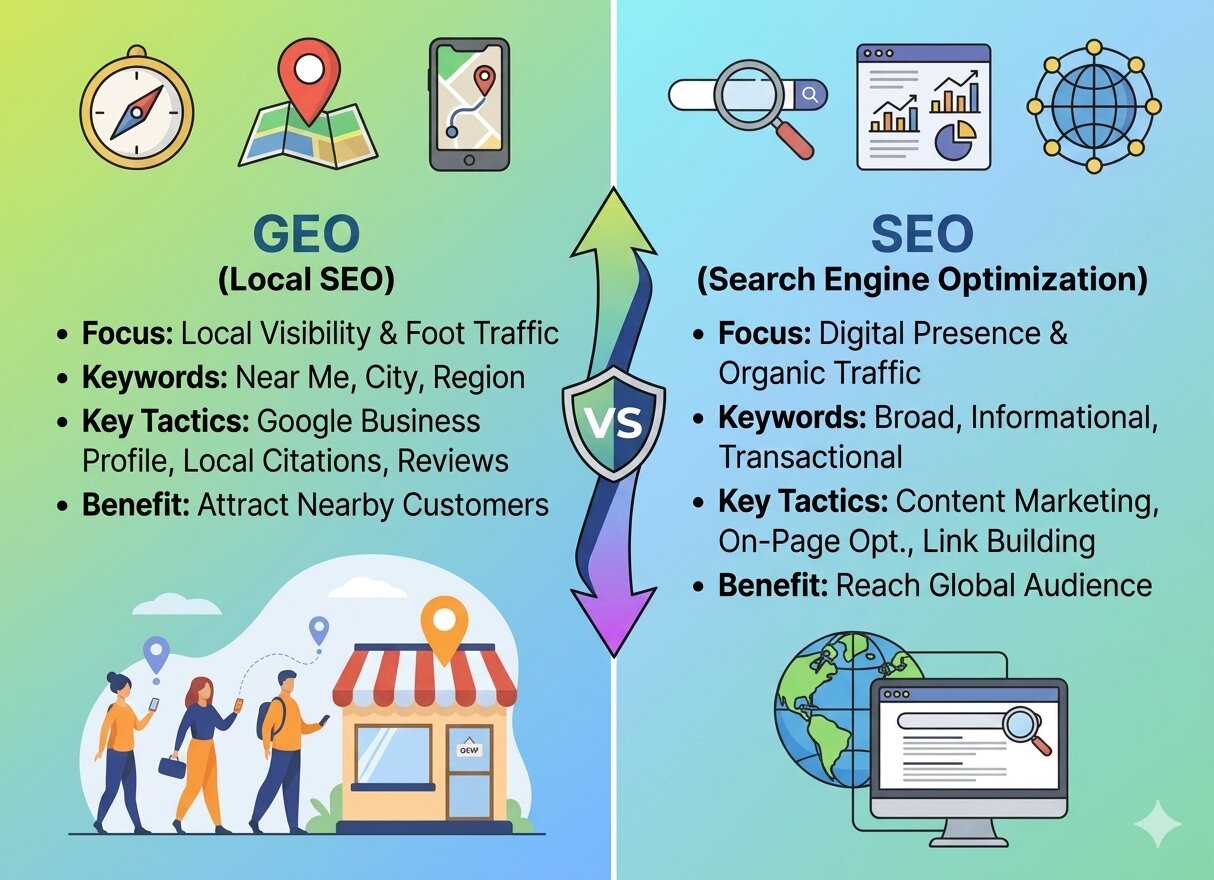
Second: for AI Overviews themselves, Google demands nothing new. No special files, no separate “AI content” — the same quality and ranking systems apply as for classic search; content chopped into “AI bait” actually hurts. The citation-friendly structure in this post matters above all for the other engines: ChatGPT, Perplexity, Claude, Copilot. How exactly the two worlds differ — we tabulated it in the GEO vs. SEO side-by-side.
The practical next steps now exist as their own guides: the llms.txt in one hour, the diagnostic protocol for when AI cites competitors instead of you — and the fastest entry point remains the 10-second test of whether your website is open to AI at all.
This is exactly where SEO216 comes in: we structure every page so the AI answer cites it — clear answers up top, named entities, evidenced numbers — and we track monthly whether ChatGPT, Perplexity and Google AI Overviews name you. The free audit shows where you stand today, within 24 hours.